

Ice Dams, Cooked Shingles, and the Attic Problem Behind Both
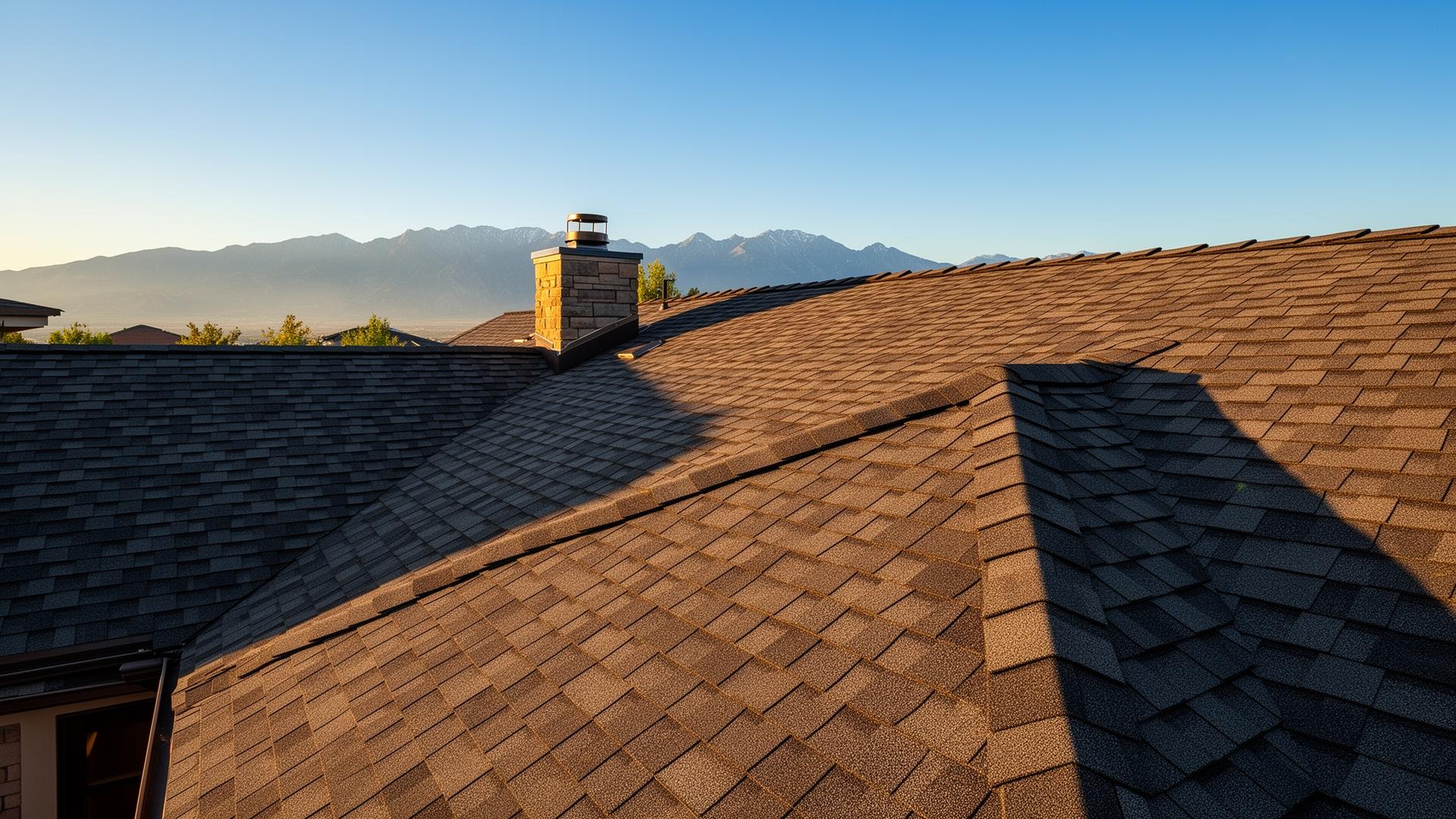
When a roof fails early in Utah County, homeowners usually blame the shingles. In our experience, the shingles are often innocent. The real culprit sits underneath, out of sight: an attic that can't breathe. Bad ventilation quietly attacks a roof twice a year — cooking it in July and soaking it in January — and by the time the damage shows on the outside, it's been working on the inside for years.
What your attic is supposed to be doing
A healthy roof system breathes in a loop: cool outside air enters low, through vents in the soffits (the underside of your eaves), and warm, moist air exits high, through ridge or roof vents. That continuous flow does two jobs. In summer it keeps the attic near the outdoor temperature instead of turning it into an oven. In winter it carries household moisture out before it can condense. Break the loop at either end and the roof starts failing from below.
Summer: the slow bake
On a hot Utah afternoon, a shingle surface can run well over 150°F. That's what shingles are built for. What they're not built for is heat from both sides — and a sealed-up attic can push past 140°F, baking the asphalt out of the shingles from underneath. The result shows up years early as curling, brittleness, and granules collecting in the gutters, and homeowners understandably blame the shingle brand. Manufacturers have seen this movie too: most shingle warranties can be voided by inadequate ventilation, and they check when claims come in.
Winter: the moisture you make yourself
A household generates gallons of water vapor every day — cooking, showers, laundry, breathing. All of it rises. In a ventilated attic, it leaves. In a starved attic, it hits the cold underside of the roof deck, freezes into frost, then melts on the next warm day and soaks into the wood and insulation. Repeat that cycle across a few Utah winters and you get a deck that's soft, nails that are rusting, and insulation that's lost its value — under shingles that still look fine from the street.
Ice dams: a symptom wearing a disguise
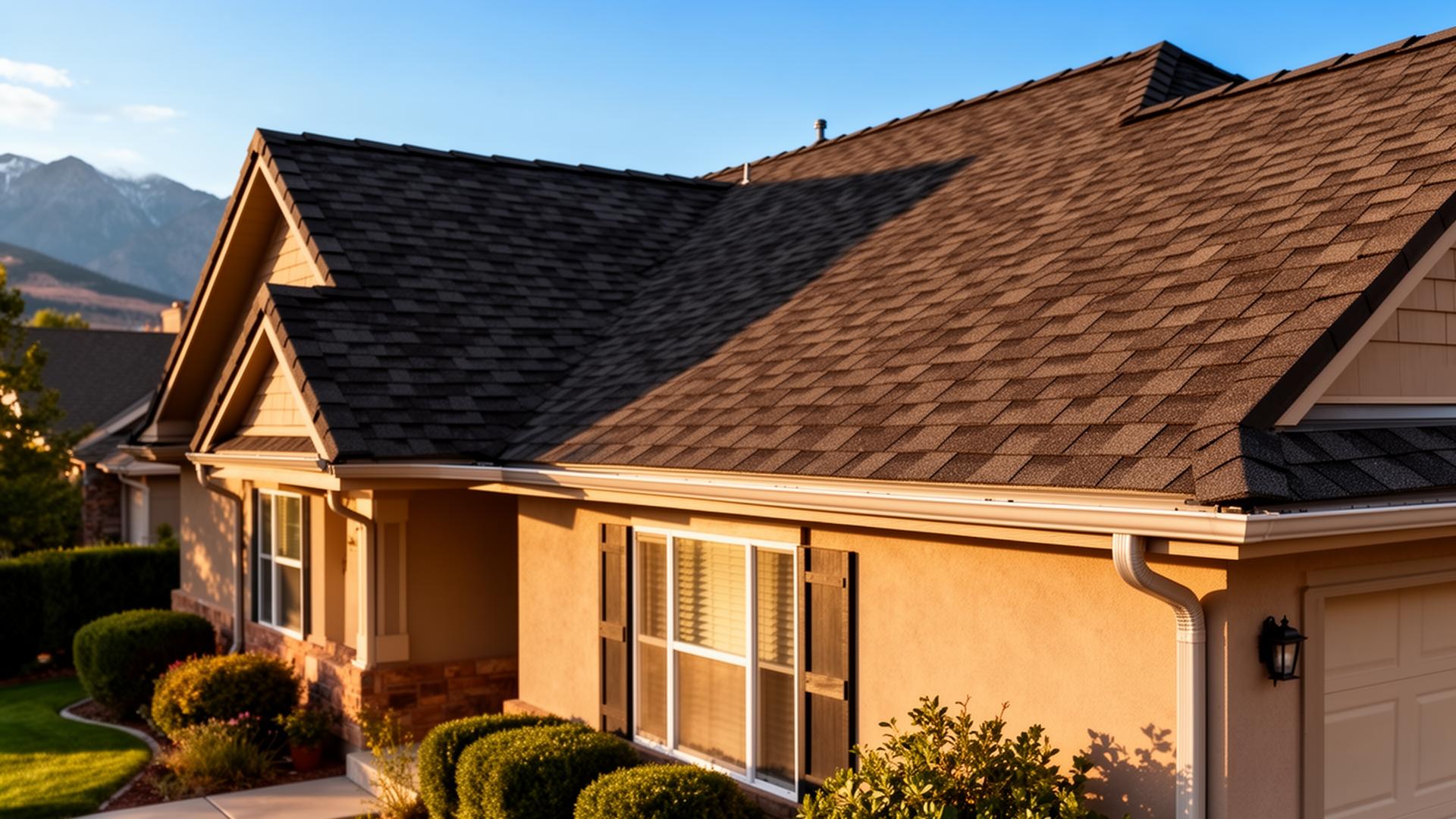
Here's the one Utah County homeowners feel most directly. When an attic runs warm, snow melts on the upper roof, runs down, and refreezes at the cold eaves — building a dam of ice that backs water up under the shingles. The instinct is to treat the ice: rakes, heat cables, more ice-and-water shield. Those manage the symptom. The dam itself is almost always a ventilation and insulation problem — warm attic air melting snow it should never have been warm enough to melt. Fix the airflow and the dam stops forming.
What “balanced” actually means
Ventilation isn't about adding more vents; it's about balance. Building code's rule of thumb is one square foot of net free vent area per 150 square feet of attic floor, split roughly half intake (soffits) and half exhaust (ridge). The most common problem we find isn't too few vents at the top — it's starved intake at the bottom: soffit vents painted shut, blocked by insulation, or never installed. An attic with exhaust but no intake can even pull heated air out of your living space through ceiling gaps, which you pay for on every power bill.
The quick homeowner checks
You don't need to climb on the roof to spot the warning signs. Upstairs rooms that run hot in summer. Ice dams that return every winter. Frost on nail tips visible from the attic hatch on a cold morning. A musty smell in closets that share a wall with the attic. Any one of those is your attic asking for airflow.
Hot upstairs rooms in July and ice dams in January are the same problem wearing two outfits — and it's usually the cheapest roof problem you'll ever fix.
Where a free inspection fits
Every Epic inspection includes the ventilation picture: intake versus exhaust, blocked soffits, insulation contact with the deck, and moisture signs on the wood — documented in the written photo report you keep, whether you hire us or not. Most ventilation fixes are small money compared to a roof: clearing or adding soffit vents, installing baffles, correcting an exhaust-heavy setup — and our crew handles this work in-house, so the same team that writes the report can do the fix. It's some of the highest-return work in roofing, because it adds years to the roof you already own.
If your roof is due for replacement, make ventilation part of the plan before you pick a shingle color — a new roof over a starved attic starts aging early on day one. And fall is the season to act: fix the airflow before the first snow, and this winter's ice dams never form. If you're seeing ice dams or hot upstairs rooms now, the inspection is free, the report is written, and the answer is straight either way.